


Three Surfaces. One Forensic Standard.
Each E-LAW discipline targets a distinct failure surface—physical infrastructure, regulatory code, or automated workflow—and maps every discrepancy to a specific structural coordinate.




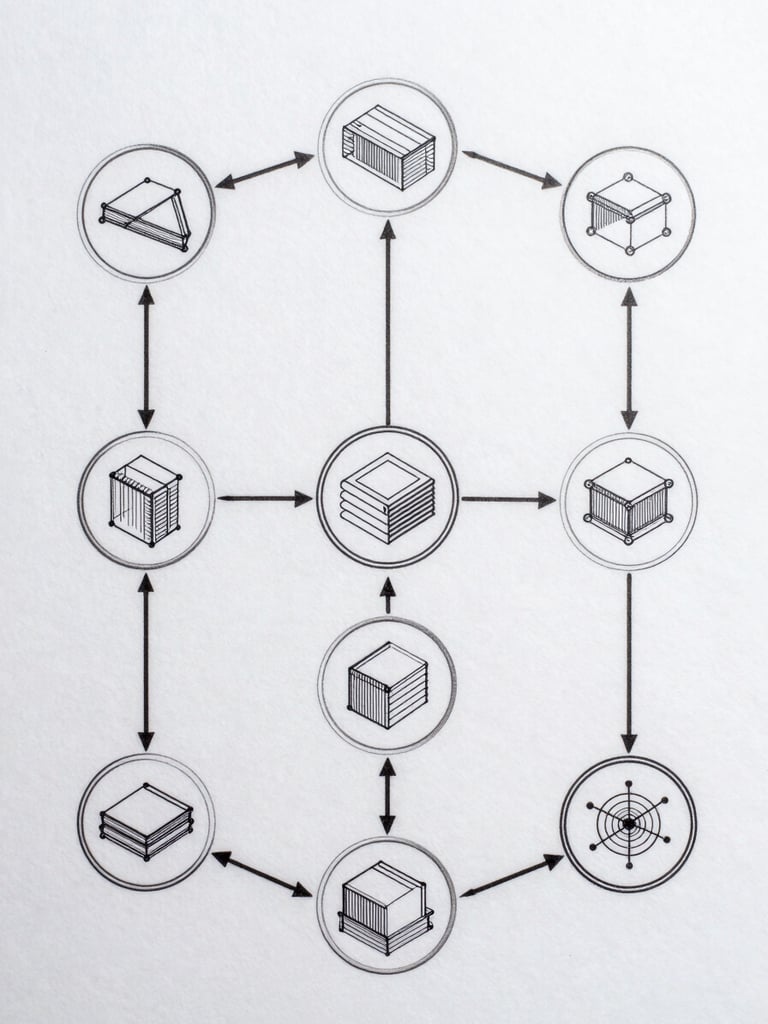
Structural Infrastructure Audits
We locate the precise physical failure—calibration drift, installation misalignment, load-path deviation—and deliver findings with exact coordinates, not general observations.
Scope spans manufacturing lines, mechanical systems, and built infrastructure. Every discrepancy maps to a documented structural reference.
Real Estate & Development Compliance
Every code divergence is mapped to a specific regulatory reference—zoning, building code, or permitting record—with no interpretation layer between the finding and the documented requirement.
Evaluation covers entitlement records, structural drawings, site compliance, and development sequencing for litigation or remediation.
Workflow & Data Architecture Engineering
We expose the automated process gap or configuration error allowing systemic failure to repeat undetected—then engineer the corrective data-logging workflow with documented verification.
Audit surfaces include process automation logic, data pipeline configurations, access controls, and audit-trail integrity across enterprise systems.
One methodology across all three disciplines.
Fidelity Research & Enterprise Equity is a four-stage forensic audit protocol—not a checklist. It replaces assumption with empirical verification at each structural layer, regardless of domain.
Identify your exposure. Request a scoped engagement.
Each engagement begins with a structured scope inquiry. No generalized retainers—only a defined audit surface with documented deliverables.